Munich Security Conference exposes a fracturing U.S.–Europe alliance
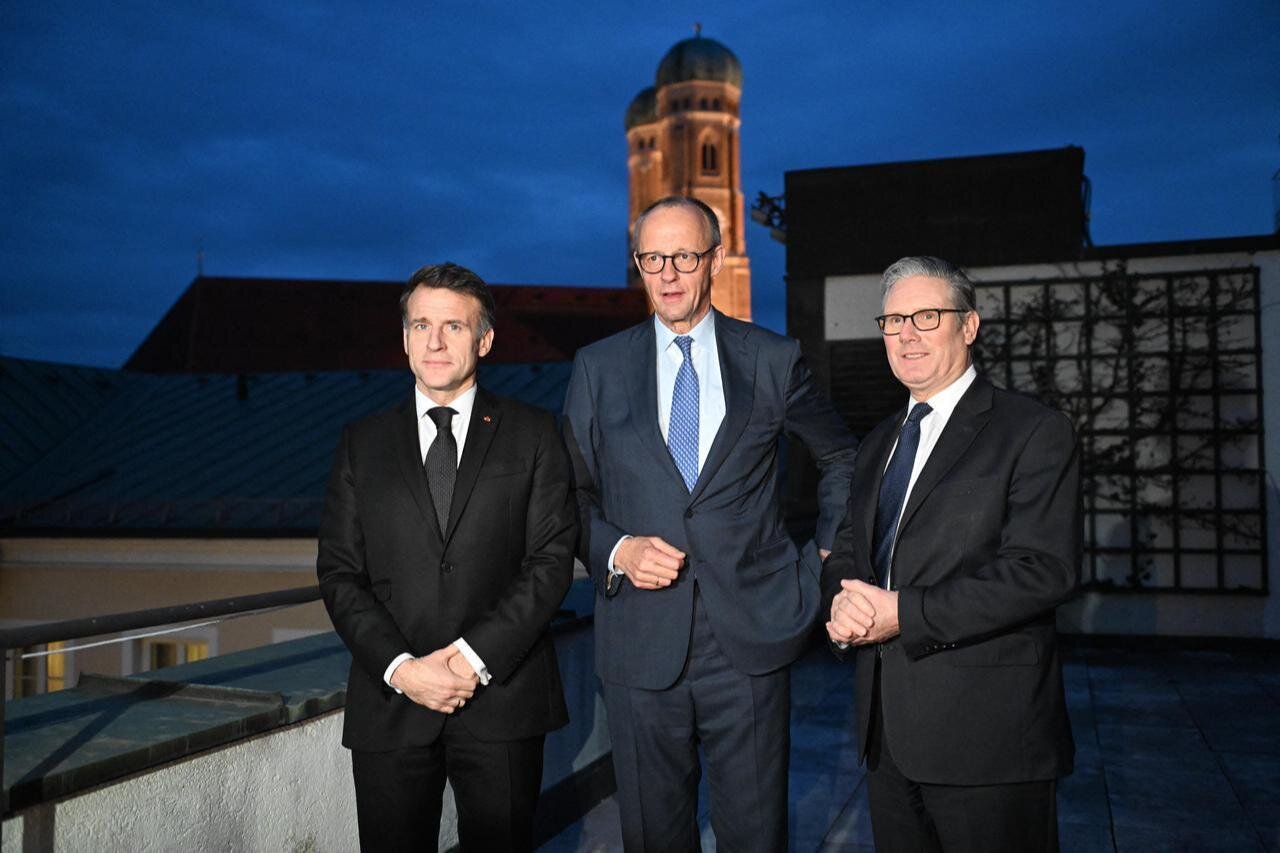
TEHRAN – The 2026 Munich Security Conference unfolded as a public display of growing strategic and ideological divergence between the United States and Europe. While officials on both sides reaffirmed their commitment to NATO and the transatlantic partnership, the tone and substance of their remarks revealed a widening gap over leadership, values, and the future structure of Western power.
U.S. Secretary of State Marco Rubio struck a dual note of reassurance and warning. He described the United States as historically and culturally tied to Europe, declaring that the two sides “belong together.” But his message carried a clear condition: Washington expects Europe to align more closely with U.S. strategic priorities.
Rubio criticized aspects of European migration management, economic regulation, and climate policy, portraying them as symptoms of Western weakness in an era of renewed great-power rivalry. He emphasized sovereignty, border control, and competitiveness, arguing that the West must reject what he framed as complacency and managed decline.
The underlying signal was unmistakable: cooperation remains desirable, but American leadership will not be diluted. The United States is prepared to act decisively, even unilaterally if necessary.
In his speech, German Chancellor Friedrich Merz presented a markedly different vision. He warned that the post–Cold War international order has eroded and described a world increasingly shaped by great-power competition. Yet he stressed that this rivalry cannot be managed by Washington alone.
Merz also drew a subtle but firm line regarding domestic political values. He defended Europe’s regulatory frameworks, multilateral engagement, and constitutional safeguards, distancing Germany from elements of contemporary U.S. political polarization. His remarks reflected a broader European concern: alignment with Washington must not come at the cost of European political identity.
French President Emmanuel Macron pushed the argument further, renewing his call for Europe to become a geopolitical power in its own right. He urged deeper European defense integration and suggested that France’s nuclear deterrent could be considered within a broader European security framework.
Macron warned that even if the war in Ukraine eventually subsides, Europe will continue to face structural security threats. His message implied that reliance on American guarantees is increasingly uncertain in a shifting U.S. political landscape.
British Prime Minister Keir Starmer emphasized closer European defense cooperation and acknowledged that Britain’s security is inseparable from that of the continent. Yet his remarks also echoed the broader European theme: greater responsibility and coordination within Europe are now strategic necessities, not optional ambitions.
The divisions visible in Munich were not limited to defense budgets or procurement coordination. They reflected deeper disagreements about:
Strategic leadership – whether the United States should continue to define Western direction or whether Europe must act more independently.
Political values – sovereignty and national revival versus regulatory governance and multilateralism.
Economic philosophy – competitiveness and protection from external threats versus managed interdependence and institutional cooperation.
Both sides reaffirmed NATO’s centrality. No leader questioned the alliance’s existence. But the contrast in emphasis was striking: Washington focused on burden-sharing and alignment, while European leaders spoke openly about reducing dependence and building strategic autonomy.
For now, the central question emerging from Munich is not whether the United States and Europe remain partners. It is whether their increasingly divergent political trajectories can sustain a shared strategic vision — or whether the alliance is entering a new phase defined less by cohesion and more by negotiation.
Leave a Comment